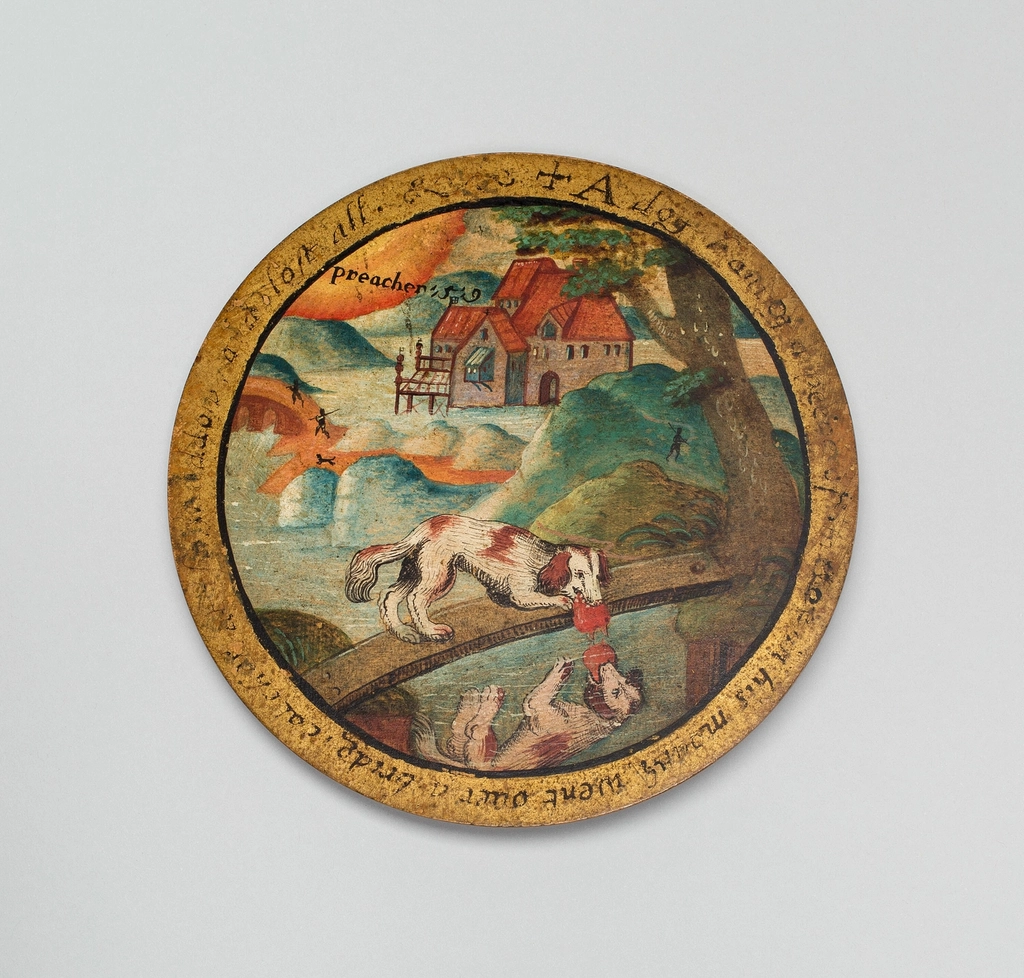
The best lessons are centered in stories – they help us make sense of concepts within a context and allow real-world connections. Story problems are extremely helpful for learners to deepen their knowledge and grow in understanding.

Drawing upon an interview with Amanda Askell (a philosopher at Anthropic), the Neuron shares a tip in using AI to create stories to better embody the concept:
I want you to select a concept at about the graduate-student level from the field of [YOUR FIELD HERE]. Then indirectly explain this concept completely by writing a fable. Structure it so that only toward the very end do readers
gradually realize what the concept actually is. After the story, add a section that clearly articulates the concept you just conveyed.
Now as educators, we can apply this in several great ways:
(1) Setting up fables for independent or guided work to allow better illustration of concepts. We could even personalize such stories for students.
(2) Setting up a fable for analysis – does it properly convey the concept? What needs to be changed to better connect the story and the lesson. This allows a deeper level of critique at both the concept and language arts levels.
(3) Setting up the AI for analysis – did the AI write a good fable in terms of structure? In terms of content? What engineering is needed to better refine the outcome?
Leave a Reply